Okay, so check this out—I’ve been messing with Solana wallets for years now, and Phantom keeps pulling me back. Wow! It installs fast and the UI is clean. My first impression was: simple, slick, and… trustworthy? Hmm… not totally, but mostly. Initially I thought wallets were all the same, but then I watched a friend nearly lose access because of a bad seed phrase flow and realized some wallets treat UX like an afterthought, while Phantom treats it like a product mission.
Seriously? Yes. Phantom’s browser extension smooths a lot of friction. Short setup. Simple confirmations. A subtle balance between power users and newcomers, though actually not perfect for either extreme. On one hand, you can toggle networks quickly and manage NFTs with a visual gallery. On the other hand, advanced settings hide behind tiny menus and that bugs me. My instinct said: they could give more transparency on transaction fees and priority options, and yet they keep the interface minimal so newbies don’t freak out.
Here’s the thing. I once walked a friend through sending SOL for the first time and she said the confirmation step felt reassuring. Wow! The animations and microcopy reduce anxiety. Medium complexity sentences help explain why—because crypto is anxiety-heavy. But there’s a tradeoff: too much simplification can hide important details and that tradeoff matters when you’re moving real money around. Initially I thought Phantom was aimed strictly at NFT folks, but then realized its broad appeal makes it the de facto entryway to Solana apps.
On security: Phantom uses a seed phrase backup and offers optional hardware wallet integration. Good. Really good. However, I’m not 100% comfortable when extensions request permissions without clear context. Something felt off about some dapps asking for broad access. My gut said, “Pause—review that permission.” So I do. And you should too.
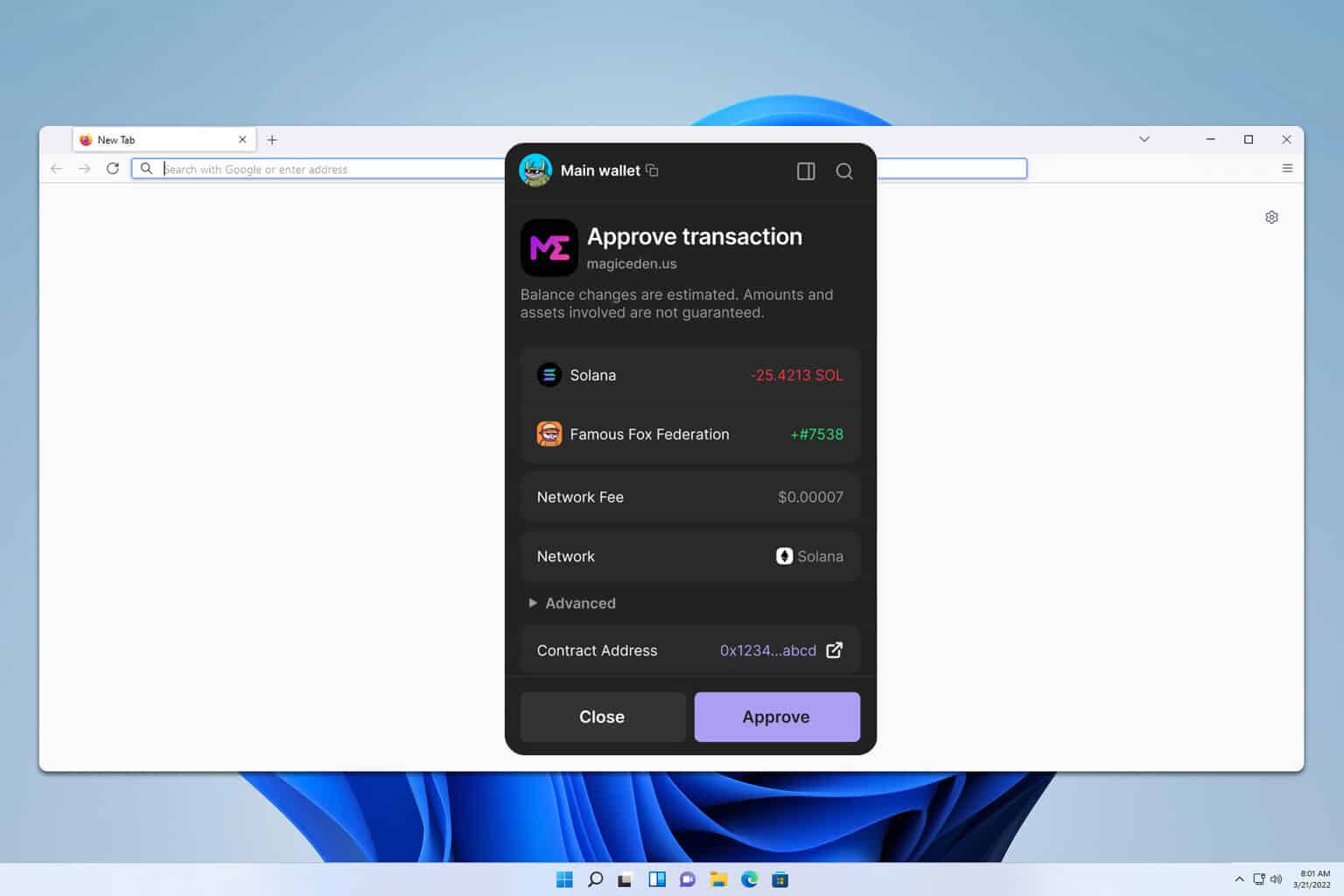
Getting the Extension — where to start
If you want to try it, grab the phantom wallet download extension and install it from your browser’s extension store. Really quick install. Then you’ll either create a new wallet or restore one from a seed phrase. The flow is guided. It’ll ask you to write down your seed—do that. Seriously. No shortcuts. Also: screenshotting seeds is a bad idea, and yes, I know people who did that once and regretted it.
One-time tip: use a password manager to store the seed encrypted, or write it down and tuck it somewhere safe, preferably two places. I’m biased, but physical backups are underrated. In practice, you’ll set a local password for the extension and then confirm the seed. After that, connect to dapps and you’re off. It all feels fast. Too fast sometimes, like you might click through confirmations if you aren’t paying attention.
Whoa! Speaking of speed—Solana’s transaction throughput matters. Low fees, fast finality. But that speed can be double-edged. With rapid confirmations, you have less time to catch a mistaken amount or gas override. I’ve personally clicked too quickly before. Once. Twice. Okay, thrice. Somethin’ to watch.
Phantom for NFTs — why it’s popular
The visual wallet gallery turns your tokens into a little museum. Nice. NFT thumbnails load inline and you can see collections grouped. Medium sized sentences make this feel casual, but there’s actually careful design behind the scenes. Phantom integrates with marketplaces and makes listing and offers straightforward, though I wish the royalty and provenance details were more prominent.
On the flip side, some collectors want deeper metadata and transaction history in the same view. On one hand, Phantom gives a clean gallery that looks great for Instagram vibes. On the other hand, power collectors want CSV exports, advanced sorting, clearer provenance tags, and yes—better filtering. I get both sides. Initially I thought the gallery was enough; later I realized it needs a toggle to reveal more data for pros.
Also: beware of airdrop scams. There are clever dapps that try to trick you into approving wide-ranging permissions to drain assets. Listen to your instincts—if a prompt asks for unlimited approval, don’t just hit accept. Pause. Review. Ask the community or check on Reddit first. And by the way, Phantom sometimes surfaces helpful warnings, but not always.
Developer and power-user features
For folks building on Solana, Phantom supports programmatic connection patterns and wallet adapters. This is a win. It hooks into wallet-adapter ecosystems and most major frameworks. That said, the developer tooling is still catching up to expectations in some corners of the ecosystem. Which is normal. New platforms iterate fast.
Honestly, the extension hides some advanced settings behind menus that feel like they were built for minimalism rather than discoverability. My working through contradictions here: minimal UI reduces mistakes for newcomers though it frustrates devs who want quick access to RPC endpoints and custom fee priorities. There are ways around it, and Phantom does offer network switching and RPC customization, just not front-and-center enough for developers who live in consoles all day.
One more developer note: hardware wallet integration is solid but not flawless. On one setup I needed to update firmware to avoid weird signing errors. Initially I thought the bug was Phantom, but then realized the hardware required a firmware bump. Actually, wait—let me rephrase that: sometimes the problem lives in the interaction between device, browser, and extension, so patience and updates matter.
Privacy and permissions — the gray area
Extensions have power. They can read pages and inject content. That’s why I get a little wary when permissions are broad. Hmm… it makes me nervous. Phantom requests typical wallet permissions, but they can feel invasive if you’re used to minimal web browsing. On the bright side, Phantom’s permission prompts are usually contextual. On the not-so-bright side, some dapps still request approvals that, if granted blindly, can cause trouble.
Practically, treat approvals like physical signatures. Would you sign a contract without reading it? Yeah—don’t do that with wallet approvals. Also, check the connected sites list in the extension settings and remove connections you no longer use. Double-check before approving token transfers or “infinite approvals”. This is very very important, and also very easy to forget when you’re excited about a mint or a trade.
Common pitfalls and how to avoid them
Phantom is great, but people still make dumb mistakes. For example: reusing the same seed across devices, falling for impostor extensions, or installing a fake “Phantom” from an unofficial store. Really basic stuff, but it happens. I’ve seen it firsthand—the wrong extension can ask for your seed during setup and then siphon funds. So verify the extension publisher and read reviews. Also check official channels for links before you click.
Oh, and backups. If you lose your seed, you’re done. No customer support can restore crypto. That’s a reality check for newcomers and a constant pain point. I’m not 100% doom-and-gloom; if you manage keys responsibly, Phantom is a fine tool. But if you treat it casually, the risk multiplies.
FAQ
Is Phantom safe to use?
Short answer: mostly. Long answer: it’s as safe as you make it. Phantom provides standard security features and prompts, but user behavior matters a lot. Use hardware wallets for large balances, double-check permissions, and never share your seed. I’m biased, but common sense reduces most risks.
Can I use Phantom on multiple browsers or devices?
Yes. Export your seed securely and restore on another device, or connect a hardware wallet to multiple machines. But avoid copying seeds to cloud notes or screenshots. Consider a dedicated password manager or offline paper backups instead.
What about transaction fees and speed?
Solana is fast and fees are low relative to many chains. That means you can move quickly, which is great for UX and terrible if you click too fast without confirming details. Balance speed with attention—especially for large transfers or NFT mints.
All told, Phantom is an excellent on-ramp to the Solana ecosystem, with real strengths in UX and NFT support, and some predictable rough edges for pros who want more telemetry. I’m excited by its evolution. Seriously—watch for incremental improvements. And yeah, keep your seed safe; that never changes. Somethin’ tells me we’ll see more fine-grained permissions and better dev discoverability soon, but till then, stay cautious and enjoy the speed.
**mitolyn**
Mitolyn is a carefully developed, plant-based formula created to help support metabolic efficiency and encourage healthy, lasting weight management.